


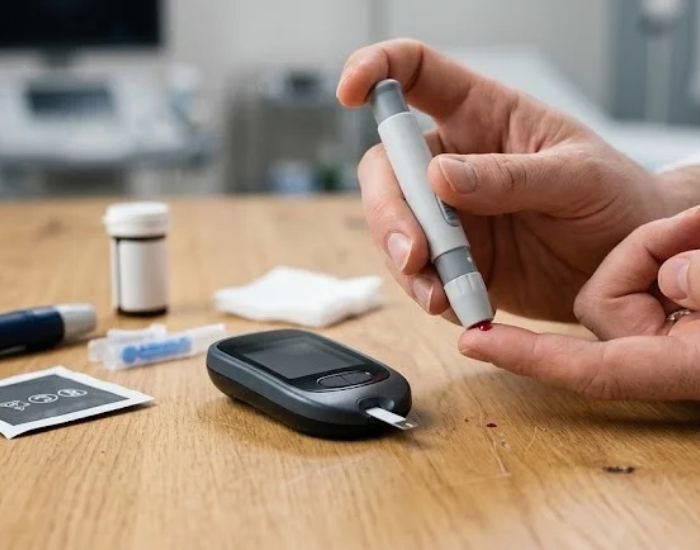
Feeling unusually thirsty, hungry, or tired can happen for many reasons. However, when these symptoms occur together, they may sometimes point to high blood sugar.
Frequent urination is another symptom that should not be ignored. When blood sugar stays too high, the kidneys may work harder to remove excess glucose from the blood. This can increase urination and contribute to increased thirst.

Important Note
Thirst, hunger, and frequent urination do not automatically mean you have diabetes. Several conditions can cause similar symptoms. If these changes are new, persistent, or occurring together, talk with a healthcare professional about getting your blood sugar checked.
Table of Contents
- What Is High Blood Sugar?
- Why Does High Blood Sugar Cause Excessive Thirst?
- Why Does High Blood Sugar Cause Frequent Urination?
- Can High Blood Sugar Cause Increased Hunger?
- Other High Blood Sugar Symptoms to Know
- When Can These Symptoms Signal Diabetes?
- How Is Diabetes Diagnosed?
- Could These Symptoms Mean Prediabetes?
- Who Is at Higher Risk for Type 2 Diabetes?
- When Can High Blood Sugar Become an Emergency?
- What Should You Do If You Notice These Symptoms?
- Diabetes Care in Pearland
- Frequently Asked Questions
What Is High Blood Sugar?
Blood sugar, also called blood glucose, is the main type of sugar found in your blood. Your body uses glucose as an important source of energy.
Insulin helps move glucose from your bloodstream into your cells. When your body does not make enough insulin or cannot use it properly, glucose can build up in the blood.
This condition is called hyperglycemia, or high blood sugar. It can occur in people with diabetes and can also happen temporarily during illness or periods of stress.
When blood sugar remains high, the body can begin showing noticeable changes. Some people experience several symptoms at once. Others may have few or no symptoms.
Type 1 and type 2 diabetes can both cause increased thirst, frequent urination, and increased hunger. Type 2 diabetes may develop slowly, so symptoms can be easy to overlook.

Why Does High Blood Sugar Cause Excessive Thirst?
One of the most noticeable high blood sugar symptoms is increased thirst.
When glucose levels become too high, the kidneys may try to remove excess glucose through urine. This can cause you to lose more fluid than usual.
As your body loses fluid, you may feel increasingly thirsty. You may also notice that you need to drink water more often throughout the day.
Feeling thirsty after exercise or on a hot day is normal. Persistent thirst without an obvious reason is different.
If you are constantly thirsty and also urinating more often, it is worth discussing these symptoms with a healthcare professional.
Why Does High Blood Sugar Cause Frequent Urination?
Frequent urination can be another early sign of high blood sugar.
When blood glucose becomes too high, the kidneys may begin removing more glucose through urine. Water follows the glucose, which can increase urine production.
You may notice that you are using the bathroom more often during the day. Some people may also wake up several times at night to urinate.
Frequent urination has many possible causes. Urinary tract infections, certain medications, increased fluid intake, and other health conditions can also cause it.
However, frequent urination combined with increased thirst or unexplained weight loss deserves attention.
Can High Blood Sugar Cause Increased Hunger?
Yes, increased hunger can occur with diabetes.
When insulin is not working properly, glucose may not move into cells as it should. Your body may then struggle to use glucose efficiently for energy.
This can leave you feeling hungry even after eating.
You may notice a stronger appetite than usual. You may also feel tired or lack energy despite eating regular meals.
Increased hunger alone does not mean you have diabetes. However, it becomes more concerning when it occurs with excessive thirst, frequent urination, fatigue, or unexplained weight loss.
Other High Blood Sugar Symptoms to Know
Thirst, hunger, and frequent urination are not the only possible signs of diabetes.
Other symptoms can include:
- Unexplained weight loss
- Persistent fatigue
- Blurred vision
- Slow-healing cuts or sores
- Frequent urinary tract infections
- Frequent yeast infections
- Dry mouth
- Irritability or mood changes
- Tingling or numbness in the hands or feet
Some people with type 2 diabetes have very mild symptoms. Others may have no noticeable symptoms at all.
That is one reason blood sugar screening can be important, especially for people with diabetes risk factors.
Unexplained Weight Loss
Losing weight without trying can sometimes occur when blood sugar is significantly elevated.
The body may struggle to use glucose for energy. It may begin using stored fat and muscle instead.
Unexplained weight loss should always be discussed with a healthcare professional. Diabetes is only one possible cause.
Blurred Vision
High blood sugar can affect fluid levels in the tissues of the eye. This may temporarily affect vision.
New or persistent blurry vision deserves medical attention. Do not assume it is simply a need for new glasses.
Slow-Healing Wounds
Some people with diabetes notice that cuts, sores, or other wounds take longer to heal.
This can be especially important when it happens along with other diabetes symptoms. Your healthcare professional can determine whether blood sugar or another condition is contributing.
Fatigue
Feeling unusually tired can occur when your body cannot use glucose efficiently for energy.
Fatigue is common and has many causes. Persistent fatigue becomes more meaningful when it occurs alongside other high blood sugar symptoms.
Symptoms Can Be Easy to Miss
Type 2 diabetes can develop gradually. Some people notice only mild changes, while others have no obvious symptoms. Do not wait for severe symptoms before asking whether you should have your blood sugar tested.
When Can These Symptoms Signal Diabetes?
The combination of symptoms matters.
Frequent urination, excessive thirst, and increased hunger occurring together can be a reason to check your blood sugar.
The concern becomes greater when these symptoms are accompanied by unexplained weight loss, fatigue, blurry vision, or slow-healing wounds.
Both type 1 and type 2 diabetes can cause increased thirst, hunger, and urination. However, their patterns can differ.
Type 1 diabetes can develop quickly. Symptoms may appear over weeks or months and can become severe. Nausea, vomiting, stomach pain, and signs of diabetic ketoacidosis can occur.
Type 2 diabetes often develops more gradually. Some people may have symptoms for a long time without realizing that their blood sugar is elevated.
Symptoms alone cannot diagnose diabetes. Blood testing is needed to determine whether your blood sugar is in the diabetes range.
How Is Diabetes Diagnosed?
A healthcare professional can use several blood tests to evaluate for diabetes or prediabetes.
A1C Test
The A1C test measures your average blood sugar over roughly the past two to three months. It does not require fasting.
An A1C below 5.7% is considered normal. A result from 5.7% to 6.4% is in the prediabetes range. An A1C of 6.5% or higher is in the diabetes range.
Fasting Blood Sugar Test
This test measures blood glucose after you have fasted overnight.
A fasting blood sugar of 99 mg/dL or below is considered normal. A result from 100 to 125 mg/dL falls within the prediabetes range. A result of 126 mg/dL or higher is in the diabetes range.
Oral Glucose Tolerance Test
This test measures your blood sugar before and after you drink a glucose-containing liquid.
At two hours, a blood sugar level of 200 mg/dL or higher is in the diabetes range. Your healthcare professional can explain the preparation and results.
Random Blood Sugar Test
A random blood sugar test can be performed at any time. You do not need to fast beforehand.
A result of 200 mg/dL or higher may indicate diabetes when symptoms are present. Your healthcare professional will determine whether additional testing is needed.
Testing is important because symptoms cannot tell you exactly how high your blood sugar is. A blood test provides objective information.
Could These Symptoms Mean Prediabetes?
Possibly, but prediabetes often causes no obvious symptoms.
Prediabetes means blood sugar levels are higher than normal but not yet within the diabetes range.
Many people discover prediabetes through routine blood testing rather than symptoms. This is why screening can be useful for people with risk factors.
Early detection gives you an opportunity to discuss lifestyle changes and monitoring with your healthcare professional.
In some people, lifestyle changes can help lower the risk of progressing from prediabetes to type 2 diabetes. Your healthcare professional can help you understand your individual risk.
Who Is at Higher Risk for Type 2 Diabetes?
Several factors can increase the risk of developing type 2 diabetes.
- Having overweight or obesity
- Having a family history of type 2 diabetes
- Being physically inactive
- Having a history of gestational diabetes
- Having high blood pressure
- Having abnormal cholesterol or triglyceride levels
- Getting older
- Having prediabetes
Risk factors do not mean that you will develop diabetes. They can help your healthcare professional determine whether screening may be appropriate.
People can also develop diabetes without obvious risk factors. That is why persistent symptoms should not be dismissed.
When Can High Blood Sugar Become an Emergency?
Very high blood sugar can sometimes lead to serious complications.
One emergency is diabetic ketoacidosis, also known as DKA. It occurs when the body does not have enough insulin and begins breaking down fat rapidly. This process produces ketones that can build up in the blood.
DKA is more common in type 1 diabetes, but it can also occur in people with type 2 diabetes. It can be life-threatening without prompt treatment.
Warning signs can include:
- Extreme thirst
- Frequent urination
- Nausea or vomiting
- Stomach pain
- Deep or rapid breathing
- Extreme tiredness
- Confusion
- Fruity-smelling breath
If you have diabetes and your blood sugar is very high, follow your healthcare professional’s sick-day plan. The American Diabetes Association advises people with diabetes to check for ketones when blood glucose is above 240 mg/dL, particularly during illness. Do not exercise if ketones are present.
Severe symptoms such as vomiting, difficulty breathing, confusion, or loss of consciousness require emergency medical attention.

What Should You Do If You Notice These Symptoms?
If you notice persistent thirst, frequent urination, unusual hunger, or unexplained fatigue, do not try to diagnose yourself from symptoms alone.
Start by discussing the changes with a healthcare professional.
A provider can review your symptoms, medical history, medications, family history, and risk factors. Blood testing can then help determine whether diabetes or prediabetes may be involved.
If You Already Have Diabetes
If you have diabetes, monitor your blood sugar according to your treatment plan.
Food, physical activity, illness, stress, and medications can all affect blood glucose. Keeping a record can help you and your healthcare team recognize patterns.
Do not change insulin or other diabetes medication doses without guidance from your healthcare professional.
If You Have Not Been Diagnosed With Diabetes
Do not assume that thirst or frequent urination means you have diabetes.
However, persistent symptoms are a good reason to ask whether you should be tested.
Diabetes testing is straightforward. It can help identify diabetes or prediabetes before complications develop.
Diabetes Care in Pearland
If you are experiencing high blood sugar symptoms, getting evaluated can help you understand what is causing the changes.
Pearland Healthcare Center provides primary care and chronic disease management for patients in Pearland and surrounding communities.
The practice can help evaluate symptoms such as increased thirst, frequent urination, unusual hunger, fatigue, and unexplained weight changes.
You can learn more about diabetes care in Pearland or explore chronic disease management services.
Regular physical exams in Pearland can also provide an opportunity to monitor blood pressure, weight, and other important health measurements.
If you are concerned about symptoms or need testing, you can use the Pearland Healthcare Center appointment page to request a visit.
Concerned About High Blood Sugar Symptoms?
Persistent thirst, frequent urination, increased hunger, or unexplained fatigue deserve attention. Talk with a healthcare professional about whether blood sugar testing is appropriate for you.
Frequently Asked Questions
What are the most common high blood sugar symptoms?
Common symptoms include frequent urination, increased thirst, increased hunger, fatigue, blurry vision, unexplained weight loss, and slow-healing wounds. Some people with type 2 diabetes have few or no symptoms.
Why does high blood sugar make you thirsty?
High blood sugar can cause the kidneys to remove more glucose through urine. This can increase fluid loss and make you feel unusually thirsty.
Why am I urinating so much?
Frequent urination has many possible causes. High blood sugar is one of them. If frequent urination occurs with increased thirst, hunger, fatigue, or unexplained weight loss, ask about blood sugar testing.
Can increased hunger be a sign of diabetes?
Yes. Increased hunger can occur with diabetes, especially when glucose cannot be used effectively by the body’s cells. Hunger alone does not diagnose diabetes.
Can you have high blood sugar without symptoms?
Yes. Type 2 diabetes can develop slowly, and some people have no noticeable symptoms. Prediabetes also commonly has no clear symptoms.
What A1C level means diabetes?
An A1C of 6.5% or higher is within the diabetes range. An A1C from 5.7% to 6.4% is within the prediabetes range. Your healthcare professional can interpret the result in context and determine whether additional testing is needed.
Can high blood sugar cause weight loss?
Yes. Unexplained weight loss can occur when the body cannot use glucose properly and begins using stored fat and muscle for energy. However, unexplained weight loss has many possible causes and should be evaluated.
When should I get tested for diabetes?
Talk with your healthcare professional if you have symptoms such as excessive thirst, frequent urination, increased hunger, fatigue, or unexplained weight loss. Testing may also be appropriate if you have risk factors for type 2 diabetes.
When is high blood sugar an emergency?
Very high blood sugar can become an emergency when it is associated with serious complications such as diabetic ketoacidosis. Severe vomiting, abdominal pain, difficulty breathing, confusion, or loss of consciousness requires urgent medical attention.
Listen to What Your Body Is Telling You
Persistent thirst, frequent urination, and increased hunger can be easy to dismiss. Sometimes they have a simple explanation. In other cases, they may be signs of high blood sugar or diabetes.
You do not need to guess what is causing your symptoms.
A healthcare professional can review your symptoms and determine whether blood sugar testing is appropriate. Early evaluation can help identify diabetes or prediabetes and guide the next steps.
Medical Disclaimer:
This article is for general educational purposes only. It does not replace professional medical advice, diagnosis, or treatment. If you have severe symptoms or believe you may be experiencing a medical emergency, seek immediate medical attention.